
Overland 4×4-parts-RGV axle assemblies, comprising axles, bearings, seals, and gears, transmit power, facilitate rotation, and support weight. Regular maintenance prevents issues like loose bearings or worn gear teeth, ensuring optimal performance, safety, and smooth navigation on rugged terrains. Choosing the right axle assembly based on vehicle weight, terrain, and driving style is crucial. Assembling requires precision, with steps including mounting the differential, securing the axle nut, and testing wheel rotation. Regular attention addresses common issues like bearing wear and corrosion through visual inspection, alignment checks, and dynamic balance analysis. Upgrading axle assemblies offers significant advantages, enhancing traction, weight distribution, durability, turnability, control, and overall performance in overland 4×4-parts-RGV applications.
Axle assemblies are the backbone of any off-road vehicle, particularly those navigating challenging terrains like overland 4×4-parts-rgv. Their reliability and durability directly impact a vehicle’s performance and safety. However, these crucial components often face extreme stress, leading to potential failures that can cripple a trip. This article delves into the intricacies of axle assemblies, identifying common issues plaguing off-road enthusiasts and exploring cutting-edge solutions. By understanding these overland 4×4 parts, you’ll gain the knowledge to ensure your vehicle’s longevity and performance on even the toughest trails.
- Understanding Axle Assemblies: Basics and Terminology
- Overland 4×4-Parts-RGV: Choosing the Right Components
- Assembly Process: Step-by-Step Guide for Beginners
- Common Issues and Troubleshooting Tips for Axle Assemblies
- Enhancing Performance: Upgrades and Customization Ideas
Understanding Axle Assemblies: Basics and Terminology

Axle assemblies are fundamental components of any vehicle, especially off-road machines like overland 4×4-parts-rgv. Understanding these assemblies is crucial for both mechanics and enthusiasts, as they play a critical role in vehicle performance, handling, and safety. At its core, an axle assembly comprises the axle itself, along with associated parts such as bearings, seals, and gears. The primary function is to transmit power from the engine to the wheels while facilitating smooth rotation and supporting the vehicle’s weight.
Key terms in this context include driveline components, which refer to the entire system of parts that deliver power from the engine to the wheels. This includes axles, differential gears, and associated shafts. For instance, a 4×4 system with full-time four-wheel drive utilizes an axel assembly to distribute power evenly across all four wheels, enhancing traction in challenging terrains. Moreover, understanding terminology like ‘live axle’—where the axle itself is part of the driveline and rotates with the wheels—is essential for selecting the right overland 4×4 parts.
Regular maintenance and awareness of these technical aspects are vital. Over time, wear and tear can lead to issues like loose bearings, worn gear teeth, or damaged seals. Prompt identification and replacement of these components ensure optimal vehicle performance and safety. For example, a well-maintained axle assembly in an overland 4×4 can navigate rugged terrain with ease, while a poorly maintained one may struggle to traverse even moderate obstacles. Thus, investing time in understanding and caring for these parts is a game-changer for any off-road enthusiast.
Overland 4×4-Parts-RGV: Choosing the Right Components

When equipping an overland 4×4-parts-rgv, selecting the appropriate axle assemblies is paramount for optimal performance and safety across diverse terrains. These components bear the brunt of your vehicle’s weight and power transfer during strenuous off-road excursions, making their choice a critical decision. For instance, consider a rugged RGV traversing steep slopes or navigating through muddy tracks; the axle assembly’s strength, durability, and traction capabilities directly impact the vehicle’s ability to overcome challenges seamlessly.
The first step in choosing the right axle assemblies is understanding your overland 4×4-parts-rgv’s specific needs. Factors such as vehicle weight, intended terrain, and driving style play a significant role. For example, a lighter off-road vehicle designed for rapid cross-country travel may require lighter, more efficient axles compared to a heavily modified, full-time 4×4 built for extreme off-pist conditions. Modern axle assemblies offer various configurations, including solid, independent, and live designs, each catering to distinct driving dynamics and terrain demands. Solid axles, known for their strength and stability, excel on well-maintained trails, while independent suspension systems provide enhanced agility and comfort during rougher navigation.
Moreover, paying close attention to the quality of components is essential. Reputable manufacturers offer axle assemblies with robust materials and advanced engineering, ensuring longevity under extreme conditions. For overland 4×4-parts-rgv enthusiasts, seeking out parts with proven off-road capabilities, such as those from leading brands specializing in ruggedized vehicles, can significantly reduce maintenance needs and increase reliability during extended forays into remote territories. Always cross-reference specifications with your vehicle’s requirements to ensure compatibility and maximize performance.
Assembly Process: Step-by-Step Guide for Beginners

Assembling an axle assembly, especially for overland 4×4 enthusiasts who rely on rugged terrain parts like RGV, demands meticulous precision and a thorough understanding of each component’s role. This step-by-step guide equips beginners with the knowledge to tackle this critical task confidently.
Begin by preparing your workspace. Ensure adequate space to lay out the parts without clutter, as each piece, from the hub to the differential housing, deserves dedicated attention. Gather all necessary tools, including wrenches of suitable sizes for the specific axle nut and bolt threads, a jack, jack stands, and a level surface to ensure stability during assembly.
The initial step involves mounting the differential on its housing. Position it correctly, aligning the drive shaft opening with the corresponding hole in the housing. Secure it firmly using the provided bolts, tightening them in a star or crisscross pattern for even pressure distribution. Next, attach the axle nut to the end of the axle shaft, ensuring proper thread engagement. With safety in mind, elevate the vehicle using a jack and support it securely with jack stands before proceeding to tighten the axle nut to the manufacturer’s recommended torque specification.
As you add each component, double-check for alignment and proper fitting. The U-joints must be aligned correctly, and the CV joints should rotate freely without binding. Once all parts are in place, lower the vehicle and test the assembly by spinning the wheels by hand to ensure smooth rotation and no unusual noises. This meticulous process ensures a robust axle assembly ready to conquer off-road challenges.
Common Issues and Troubleshooting Tips for Axle Assemblies
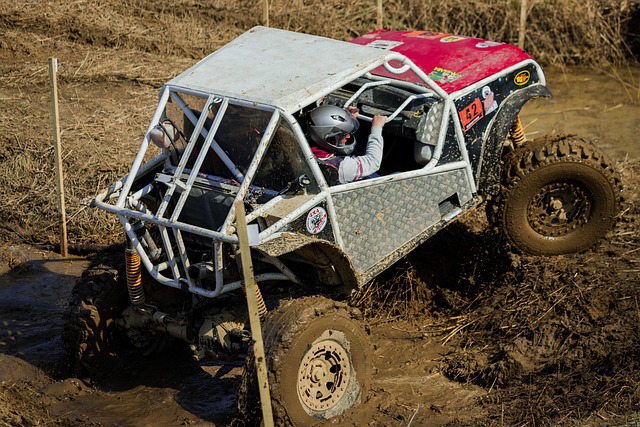
Axle assemblies, a critical component in many vehicles, particularly off-roaders like overland 4×4-parts-rgv, can develop issues over time. Common problems include bearing wear, which may lead to excessive play or even seizure; broken or misaligned components, often caused by road debris; and corroded parts, especially in environments with high moisture content. These issues can manifest as vibrations, handling problems, or reduced performance.
Troubleshooting these problems requires a systematic approach. Start by inspecting the axle assembly for visible signs of damage or wear. Check for proper alignment and ensure all components are securely fastened. If play is detected, it could indicate worn bearings or a misaligned component. In such cases, replacement parts from reputable suppliers like those specializing in overland 4×4-parts-rgv are crucial. Corrosion can be addressed through careful cleaning and, if necessary, applying protective coatings.
For more complex issues, dynamic balance analysis using specialized equipment can help identify imbalances that may cause vibrations. Regular maintenance, including regular lubrication and inspection, is key to preventing major failures. Remember, addressing axle assembly issues promptly not only enhances vehicle performance but also ensures safety during off-road adventures.
Enhancing Performance: Upgrades and Customization Ideas

Axle assemblies, a fundamental component in off-road vehicles, play a pivotal role in enhancing performance, particularly in overland 4×4-parts-rgv scenarios. Upgrading these systems allows for improved traction, better weight distribution, and increased durability, all crucial factors in navigating challenging terrains. One effective customization strategy involves installing high-quality, custom-engineered axle assemblies tailored to specific driving conditions and vehicle modifications.
Consider, for instance, a modification that swaps out stock axle assemblies with optimized designs featuring enhanced gear ratios. This upgrade enables more efficient power transfer to the wheels, resulting in improved acceleration and climbing abilities. Furthermore, modifying the axle bearings and seals to withstand extreme conditions can significantly extend their lifespan, reducing maintenance needs and ensuring consistent performance during long overland journeys.
Practical insights from seasoned off-road enthusiasts suggest that custom axle assemblies should align with overall vehicle modifications, including suspension upgrades and tire choices. For example, a vehicle equipped with larger tires will necessitate stronger axles to manage increased weight and torque. Data supports this, indicating that vehicles with properly upgraded axles exhibit improved turnability, better control, and enhanced overall performance when traversing rough landscapes. Ultimately, prioritizing high-performance axle assemblies is an investment that can elevate the capabilities of any overland 4×4 rig.
By mastering the intricacies of axle assemblies, from understanding fundamental terminology to enhancing performance through overland 4×4-parts-RGV upgrades, readers are now equipped with the knowledge to navigate complex choices and assembly processes. This article has demystified common issues, offering troubleshooting tips for confident problem-solving. Armed with these insights, individuals can ensure their vehicles achieve optimal performance, ready for any off-road adventure. The next step is to apply this expertise practically, customizing axle assemblies to suit specific needs and exploring the vast possibilities offered by the overland 4×4-parts-RGV market.