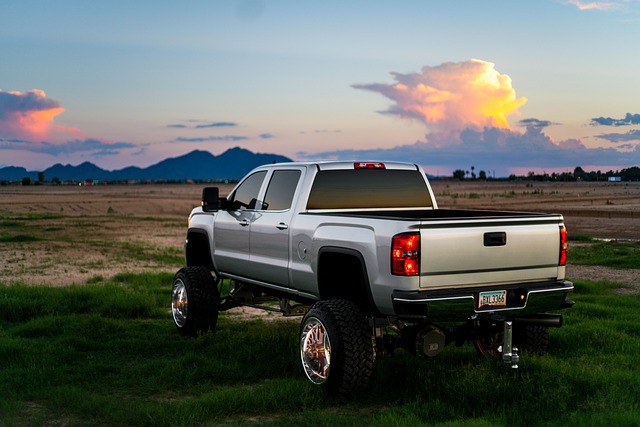
Shackles, vital components for off-road vehicles, have evolved from simple iron chains to specialized parts in the overland 4×4-parts-RGV ecosystem. Key aspects include selection based on capacity, type, application, and material; optimal performance through regular maintenance; strategic installation for enhanced vehicle safety and suspension longevity; and regular inspections to prevent accidents and prolong shackle lifespan. Customization using RGV's specialized parts improves vehicle dynamics, providing better traction and maneuverability in rugged terrain, expanding exploration possibilities.
Shackles, often overlooked yet pivotal in our daily lives, play a critical role in various applications, from industrial machinery to overland 4×4-parts-rgv vehicles. Despite their simplicity, shackles’ functionality is intricate, dictating the strength and security of connected components. However, the challenge lies in selecting the right shackle for specific needs, as each application demands unique characteristics. This article delves into the intricacies of shackles, offering a comprehensive guide to help professionals navigate this complex landscape. We’ll explore material types, design variations, and practical considerations, ultimately empowering informed decisions for optimal performance.
- Understanding Shackles: Types and Historical Perspective
- Overland 4×4-Parts-RGV: Essential Components and Their Functionality
- Shackle Installation: Techniques and Safety Measures
- Maintenance and Care: Extending Shackle Lifespan
- Advanced Applications: Customization and Off-Road Optimization
Understanding Shackles: Types and Historical Perspective

Shackles, as essential components of any robust off-road vehicle, serve a critical function in distributing and managing forces during various terrains. Understanding their types and historical perspective is crucial for both novice and seasoned overland 4×4 enthusiasts. Historically, shackles have evolved from simple metal chains to sophisticated engineering marvels capable of withstanding extreme stresses. The earliest shackles were crafted from wrought iron, designed primarily for maritime applications, where their durability and strength were paramount.
Over time, as the demand for more versatile hardware grew, particularly in the off-road and 4×4 communities, manufacturers began to develop specialized shackles tailored to specific needs. Today, a wide array of shackle types are available, each optimized for unique applications. For instance, heavy-duty shackles with high-strength steel construction are ideal for extreme off-roading, while lighter, yet robust models designed for recovery operations ensure minimal damage to vehicles and equipment. In the overland 4×4 community, where reliability and performance are paramount, specialized 4×4 parts like RGV’s overhead 4×4 shackles have gained popularity. These shackles offer enhanced security and ease of use with features such as quick-release mechanisms and adjustable lengths.
The classification of shackles is based on several factors including capacity (load rating), type (chain, cable, or plate), application (recovery, towing, lifting), and construction material. Understanding these classifications allows users to select the most suitable shackle for their specific overland 4×4 adventures, ensuring safety, efficiency, and peace of mind.
Overland 4×4-Parts-RGV: Essential Components and Their Functionality

The Overland 4×4-Parts-RGV (Recreational Geographic Vehicle) ecosystem is a complex web of specialized components designed to enhance off-road capability and endurance. At the heart of this system lie essential parts that serve as the building blocks for rugged adventures. These include robust engines optimized for low-speed, high-torque operations, reinforced axles capable of withstanding extreme terrain, and advanced suspension systems ensuring stability over uneven surfaces. For instance, a well-upgraded RGV might feature a diesel engine known for its torque delivery, coupled with custom-built axles designed to traverse narrow, treacherous tracks.
One critical component often overlooked is the drivetrain system. In overland 4×4-parts-RGV configurations, a robust transfer case enables power distribution between the front and rear wheels, ensuring optimal traction in challenging conditions. Additionally, advanced differentials help manage wheel slip, allowing for safer navigation through muddy or sandy terrains. For extreme off-roading, locking differentials can be fitted, providing temporary solid-wheel effect for navigating treacherous slopes.
Tire selection plays a pivotal role in overall performance. High-quality overland tires with aggressive tread patterns offer exceptional grip on loose surfaces. These specialized tires are designed to withstand punctures and provide stable cornering at high angles. Regular maintenance of these components is paramount, requiring dedicated care such as frequent oil changes, differential fluid checks, and timely tire rotations. By prioritizing the integrity of these essential parts, owners can ensure their RGVs deliver reliable performance during extensive off-road expeditions, fostering a deeper connection with nature’s untamed beauty.
Shackle Installation: Techniques and Safety Measures

Shackle installation is a critical aspect of vehicle modification, particularly for off-road enthusiasts who frequently tackle challenging terrains with their overlands 4×4-parts-rgv. Proper shackle setup ensures optimal performance, safety, and longevity of your vehicle’s suspension system. The process involves careful selection of shackle types, precise measurements, secure attachment, and regular maintenance checks.
One common technique for shackle installation is the use of bolt-on shackles, which offer easy removal and adjustment. These shackles are secured with robust bolts and nuts, requiring a suitable torque specification to prevent loosening during extreme conditions. For instance, when upgrading stock shackles on a 4×4 vehicle, following manufacturer guidelines ensures optimal performance. Regularly checking and tightening these connections is crucial, especially after prolonged off-road adventures or in regions with varying climates.
Safety measures are paramount during shackle installation. Proper use of jack stands and ensuring the vehicle is securely supported prevents accidents. Additionally, understanding the weight distribution and clearance requirements for your specific vehicle model ensures stable and safe operation. Overloading or improper alignment can lead to premature wear and potential failure of suspension components. Regular inspection and maintenance, including greasing and tightening, extend the lifespan of shackles, ultimately contributing to a safer and more enjoyable off-road experience.
Maintenance and Care: Extending Shackle Lifespan

Shackles, essential components in various mechanical systems, demand meticulous care to ensure optimal performance and longevity. In demanding environments like overland 4×4 operations, where rugged terrain and harsh conditions prevail, regular maintenance becomes crucial for shackle integrity. Overlooked or neglected care can lead to premature failure, compromising safety and vehicle functionality.
Extending shackle lifespan involves a multi-faceted approach. Visual inspections are paramount, identifying signs of wear, corrosion, or damage before they escalate. Proper lubrication is another cornerstone; applying high-quality lubricants at recommended intervals reduces friction and rust, ensuring smooth operation and preventing seized components. For instance, using Overland 4×4 parts RGV specifically designed for extreme conditions can significantly enhance shackle durability.
Moreover, consistent tension checks are vital to maintain proper load distribution. Imbalanced tension can lead to uneven wear, causing premature failure points. Regularly replacing worn or damaged shackles is indispensable, preventing catastrophic breakdowns during critical operations. For overland 4×4 enthusiasts, investing in a comprehensive maintenance routine and high-quality replacement parts like those from RGV ensures their vehicles navigate diverse terrains safely and reliably.
Data from industry experts reveals that well-maintained shackles can extend their service life by up to 50%, significantly reducing the need for frequent replacements. This translates into cost savings, fewer downtime hours, and enhanced peace of mind while tackling challenging off-road trails. Ultimately, prioritizing shackle care is a fundamental aspect of responsible vehicle maintenance for overland adventures.
Advanced Applications: Customization and Off-Road Optimization

Shackles, an often-overlooked component, play a pivotal role in enhancing the capabilities of overland 4×4 vehicles. Customization and off-road optimization are areas where these simple yet powerful tools excel, offering vehicle owners unparalleled control over their driving experience. When it comes to overlanding, where rugged terrain is the norm, meticulously designed shackles can transform a standard SUV or truck into an expedition-ready machine.
The art of customization lies in selecting or fabricating shackles tailored to specific off-road parts, such as winches, recovery devices, and cargo carriers. For instance, RGV (Rugged Vehicle Group) offers a range of overland 4×4 parts, including high-quality shackles designed for extreme conditions. These specialized components are crafted from robust materials, ensuring they withstand the rigors of off-road adventures while maintaining reliable performance. By strategically integrating these shackles with other essential accessories, overlanders can achieve precise control and stability during challenging traverses.
Furthermore, optimal shackle setup contributes to improved vehicle dynamics, allowing for better traction and maneuverability on uneven surfaces. Off-road enthusiasts should consider the impact of wheel spacing, suspension geometry, and tire selection when fine-tuning their shackle system. Data from industry experts reveals that a well-customized shackle arrangement can significantly enhance a 4×4’s performance, enabling it to conquer terrains once considered impassable. This level of optimization not only ensures safety but also opens up new possibilities for exploration, making each overland journey an unforgettable experience.
By exploring the multifaceted world of shackles—from their historical roots to modern applications in overland 4×4-parts-RGVs—readers have gained invaluable knowledge. The article has underscored the importance of understanding different shackle types, installation techniques, and safety measures, all crucial for optimal performance and longevity. Key takeaways include the significance of regular maintenance, customization possibilities, and off-road enhancements using specialized parts. With this comprehensive guide, readers are now equipped to make informed decisions, ensuring their 4×4 adventures are safe, efficient, and enjoyable. These insights into shackle technology and application represent a valuable resource for any enthusiast navigating rugged terrain.